

Examining the Risks to Society
In recent years, reborn baby dolls have gained global attention. These eerily lifelike dolls are made from vinyl or silicone. They are hand-painted, rooted with real hair, and often feature heartbeat sounds or faux-breathing. Some people see them as an artistic hobby. Others worry they raise psychological, ethical, and social concerns. At first, it is certainly something to be careful of. Addiction doesn’t only come from stereotyped things like 22Bet games, sugar and drugs. It can look “cute”. So, where do we draw the line? Are these dolls tools for healing, or signs of something more troubling?
The Origins and Global Spread of Reborn Dolls
The reborn doll trend began in the U.S. in the 1990s. It started with doll artists who wanted to make factory-made dolls look more realistic. Since then, the trend has gone global. These dolls are now found in homes across Brazil, the UK, Japan, and South Africa. Platforms like Etsy, Instagram, and YouTube have turned them into both art and business. Some reborns sell for hundreds or even thousands of dollars, depending on detail and quality.
The trend has led to conventions, video tutorials, and emotional stories from collectors. People buy these dolls for different reasons—some love the craft, others the realism, and many find comfort.
Hobby or Emotional Crutch?
For many, reborns are a creative and soothing outlet. Making one—called “reborning”—requires painting, hair-rooting, and careful weighting. This detailed work appeals to both artists and collectors. It offers challenge, focus, and pride.
But not all interactions are harmless. Some owners treat reborns like real babies—feeding, dressing, and taking them for walks. Social media shows adults rocking them to sleep and speaking to them like real infants. While this may look innocent, it raises psychological questions.
Some collectors use reborns to cope with loss, especially after miscarriages or infant deaths. Support groups sometimes recommend them for grieving. Elder care homes also use them for dementia therapy. In these cases, reborns act as transitional objects—temporary comforts in times of emotional need.
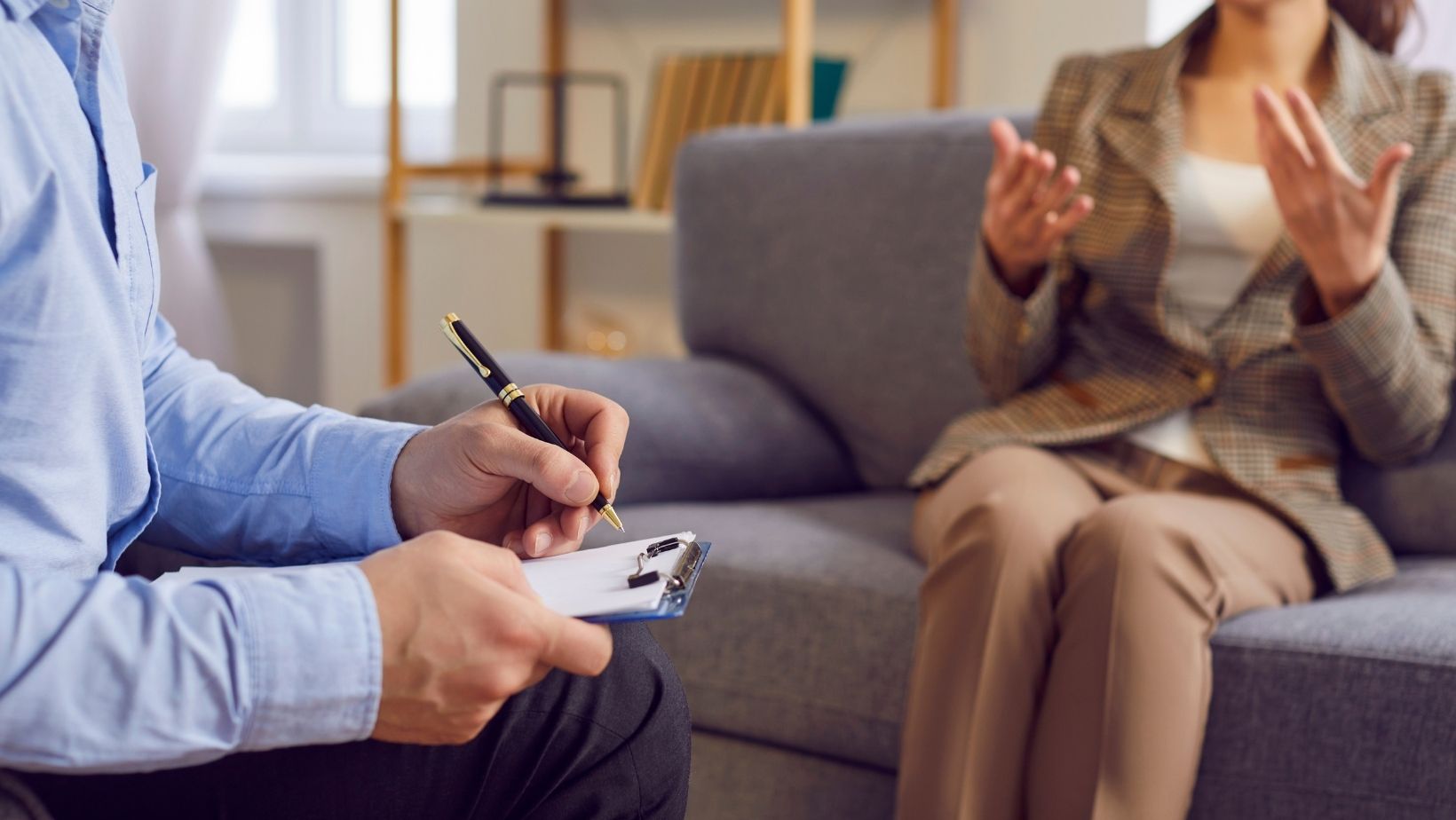
Still, experts warn about overdependence. If a doll becomes a substitute for human connection, it may stall emotional healing. It can also reveal deeper issues, like depression or dissociative disorders.
When Comfort Becomes Pathology
The risk lies in how the dolls fit into daily life. Used for creativity or healing, they can be healthy tools. But when they replace lost children or unmet roles, problems arise.
This can become “emotional displacement”—placing unresolved trauma onto an object. In moderation, it might help. In excess, it may cause isolation, stagnation, or obsession. Some users say they’ve cut off relationships or skipped therapy while caring for a doll.
Some even seek medical care for their dolls or ask for public accommodations. This raises questions. Is this therapeutic, or delusional? When resources are limited, and norms are tested, the debate intensifies.
Societal Reactions: Between Empathy and Unease
Public opinion is divided. Some say reborns are a valid form of emotional expression. If someone finds comfort in them, why judge? In a disconnected world, these dolls might offer emotional grounding.
But others are disturbed by their realism—umbilical cords, birthmarks, even baby smells. Critics argue this blurs the line between comfort and denial. It may even encourage detachment from real relationships.
In Brazil, officials have suggested regulating their use in medical settings. Viral videos of adults parenting reborns often spark laughter or concern. This only deepens the stigma around mental health.
Risks for Society: A Subtle Cultural Shift?
While no large-scale harm is linked to reborns, critics see signs of a deeper shift:
- Emotional Detachment: People may bond with objects over real humans.
- Therapeutic Shortcut: Dolls might delay real emotional healing.
- Grief for Sale: Comfort becomes a product, not a process.
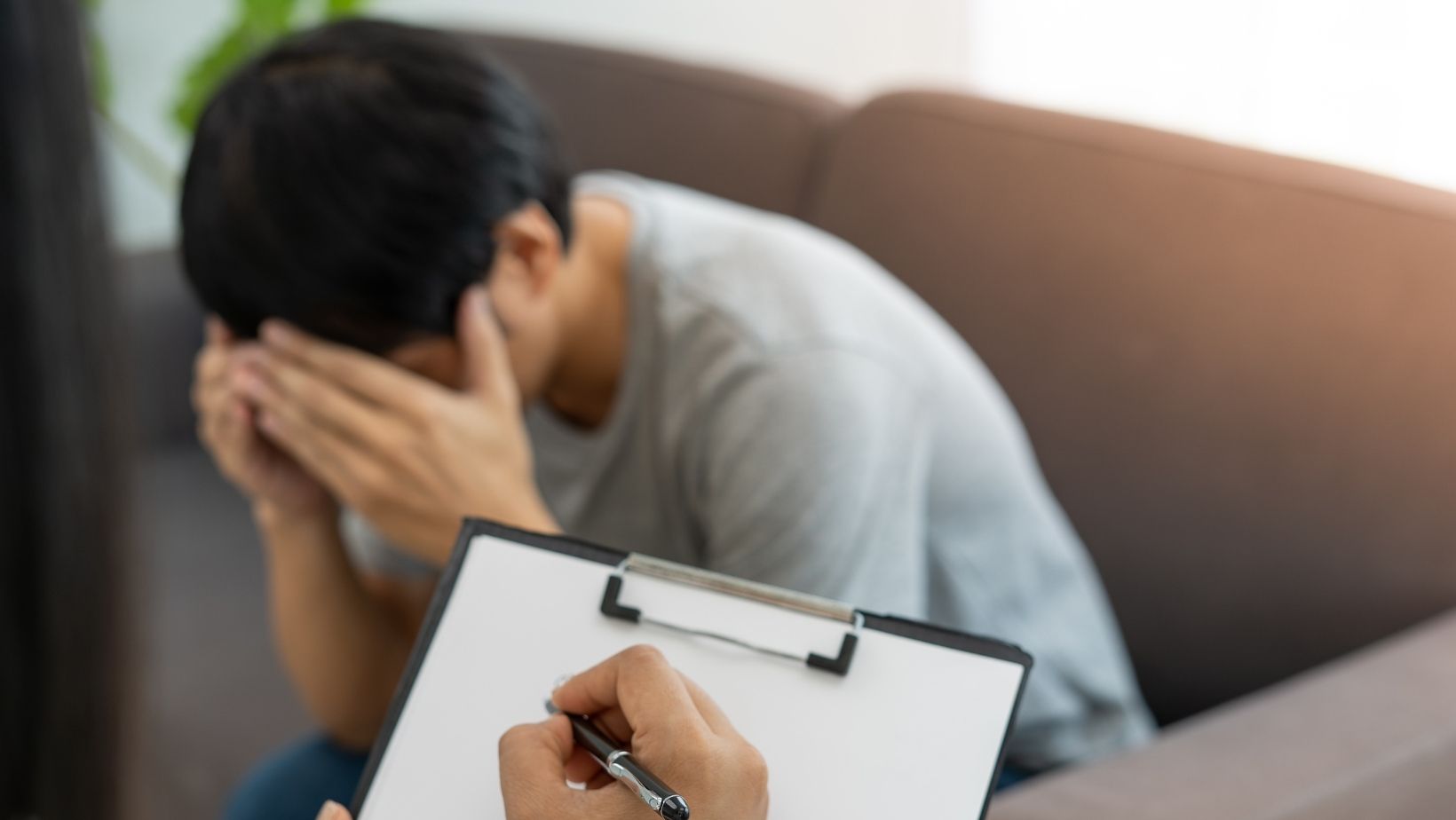
Social media can amplify obsession. Echo chambers discourage critical thinking. The reborn trend may reflect a larger move toward emotional avoidance.
Dual Realities of Reborn Dolls
Reborn dolls aren’t clearly good or bad. They exist in a gray area—where healing and harm can overlap.
Like teddy bears, therapy animals, or religious icons, reborns work through human emotion. Used wisely, they comfort. Misused, they may mask deeper struggles.
Instead of mockery or panic, society needs reflection. We should talk openly about emotional pain. We should support mental health. Only then can we see when comfort turns into chaos.