
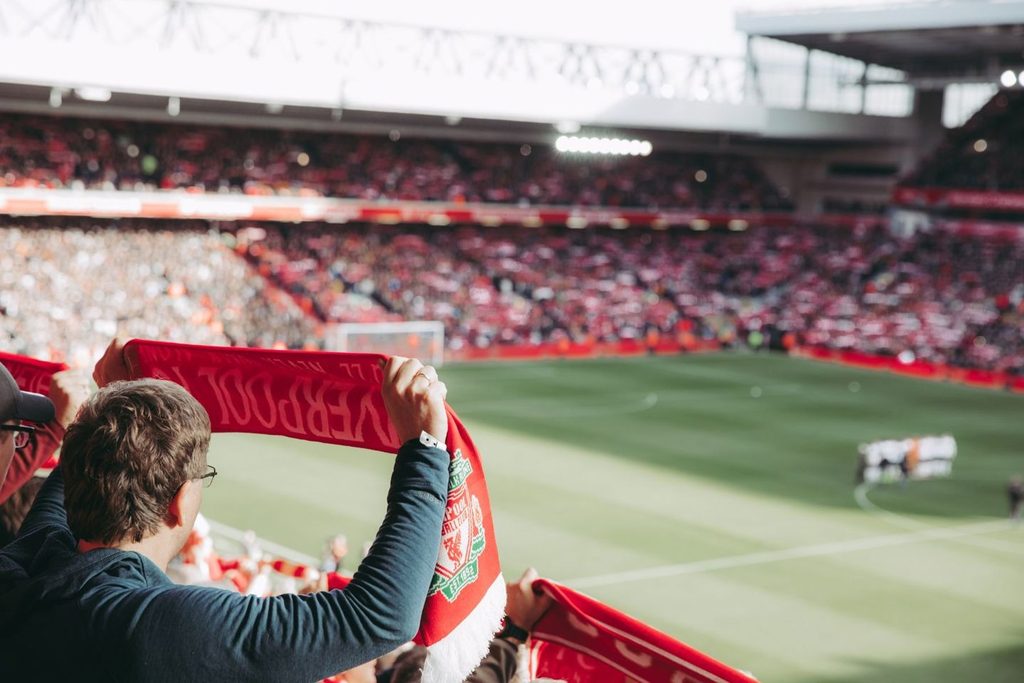
Sports betting advertising has become part of how many fans meet the modern game. You watch Manchester City press high, see Erling Haaland drift between defenders, then meet odds and offers around the same screen. The message may sit beside a match preview or arrive after you open an app. For soccer followers in Australia and South Africa, that closeness explains why advertising rules now shape the experience before a wager even enters the picture.
The sharper point concerns the difference between an advert and an inducement. An advert tells you a betting service exists. An inducement gives you a reason to open an account or keep betting. Regulators treat those messages with care because they can affect behaviour. Australian research found that 78% of adults saw wagering advertising at least weekly. The same study found that 41% saw it four or more times a week
Why Betting Promotions Draw Attention
Betting on soccer draws attention because the game gives fans frequent decisions to read. A Real Madrid match with Kylian Mbappe carries player markets and team prices. A Chelsea game with Cole Palmer brings shot markets and assist angles. You may only want the score. Another fan may want prices on corners or goals. That range makes promotion feel attached to match knowledge.
Sportsbooks work by turning those soccer questions into markets. The soccer Betway page shows football betting as part of a wider sportsbook environment, with match odds and market options presented through one digital route. For a South African fan following Kaizer Chiefs or a Premier League fan watching Arsenal, the same basic idea applies. A sportsbook gives choices around fixtures. Advertising rules then decide how those choices can be promoted before and after account access.
How Often Australians Encounter Wagering Advertising
The Australian Institute of Family Studies gives the debate a strong evidence base. Its research found that television remained the most common high-frequency channel, with 32% of adults exposed to wagering ads on TV four or more times a week. Online platforms came next at 11%. Team uniforms and merchandise reached 10% at that same frequency.
For soccer, visibility can travel through several parts of the fan day. You may see a shirt sponsor before kickoff. You may see odds discussion beside a match article. Direct customer messages arrive in a different setting because they target people who already have an account. Fashion also plays a part in how fans read the commercial side of the sport. A training top can carry a brand into public life long after the match has ended.
The Federal Debate Over Advertising Rules
Australia’s federal debate shows how unsettled the policy field remains. The Senate referred the Interactive Gambling Amendment (Gambling Reform) Bill 2026 for inquiry and report. The committee page lists a recent reporting date of 17 August 2026. That inquiry gives the subject a current frame without turning a proposal into settled law.
A soccer fan doesn’t need to follow every parliamentary step to understand the effect. The question is simple enough. What messages reach fans before a bet? What offers reach account holders after sign-up? A young fan watching the Matildas or the Socceroos may meet betting language in a different way from an older viewer reading match reports. Rules decide where that language can appear and how much pressure it can apply.
What Inducement Rules Cover In Practice
Western Australia gives a concrete state example. Its Gaming and Wagering Commission guidance says it is unlawful to advertise or provide an inducement in return for opening a betting account. The same rule covers referrals. The penalty is a $1,000 fine. The guidance also separates published advertisements from direct messages to existing customers. That distinction affects how fans encounter offers.
A public post saying “open an account for a reward” receives one treatment. A logged-in message to an existing customer may receive another. If you follow Orlando Pirates or Manchester United, the law cares less about the badge on your screen than the kind of offer placed beside it.
Reading Promotions With Clearer Context
A sensible reader can sort betting messages into three groups. First comes general advertising. It shows a brand or product. Next comes an account offer. It asks you to sign up or deposit. Then comes customer communication, which reaches people who already use the service. Those categories help you understand why one promotion may appear in one place and not another.
Terms deserve close reading because soccer markets can look simple at first glance. “Both teams to score” differs from “player to score.” A boost may depend on a minimum stake. A refund may come as a non-withdrawable bonus. The Western Australian guidance gives examples where sign-up offers and referral credits fall outside permitted advertising. That can decide whether a message is information or pressure.