

Cleaning up after adults or sick people suffering from incontinence can be challenging. Not only is it physically and mentally tough, but it can also expose you to various diseases.
Being in frequent contact with the bodily fluids of sick people can result in the transmission of viruses such as hepatitis C and B (HBV). To cope with daily difficulties and improve your health, consider using disposable bed pads.
Disposable bed pads limit your exposure to bodily fluids and improve the air quality in adults’ rooms. Using them drastically reduces your cleaning time so that you have less exposure to toxic human waste.
Although using disposable pads can make life easier for you and your patients or aging loved ones, you will only get the best results if you utilize them properly. In this article, we’ll discuss five effective ways to ensure a safe and stress-free cleanup with disposable bed pads for adults.
Find the Right Size for the Mattress
When dealing with incontinence, you want to cover a large area of the mattress with sufficient bed pads for maximum protection. Disposable bed pads come in various sizes, some bigger than others. Using the right size can protect the bed from spills and leaks that may ruin the mattress and cause discomfort.
So, prioritize large bed pads for adults. That way, you will cover the areas of interest without using too many pads at once. Opt for the largest size on the market for adults, usually the 30” by 36” type, inspired by award-winning technology. It can provide much-needed support for a dry, clean bed sheet and mattress, making your cleaning easy.
Replace Bed Pads Frequently
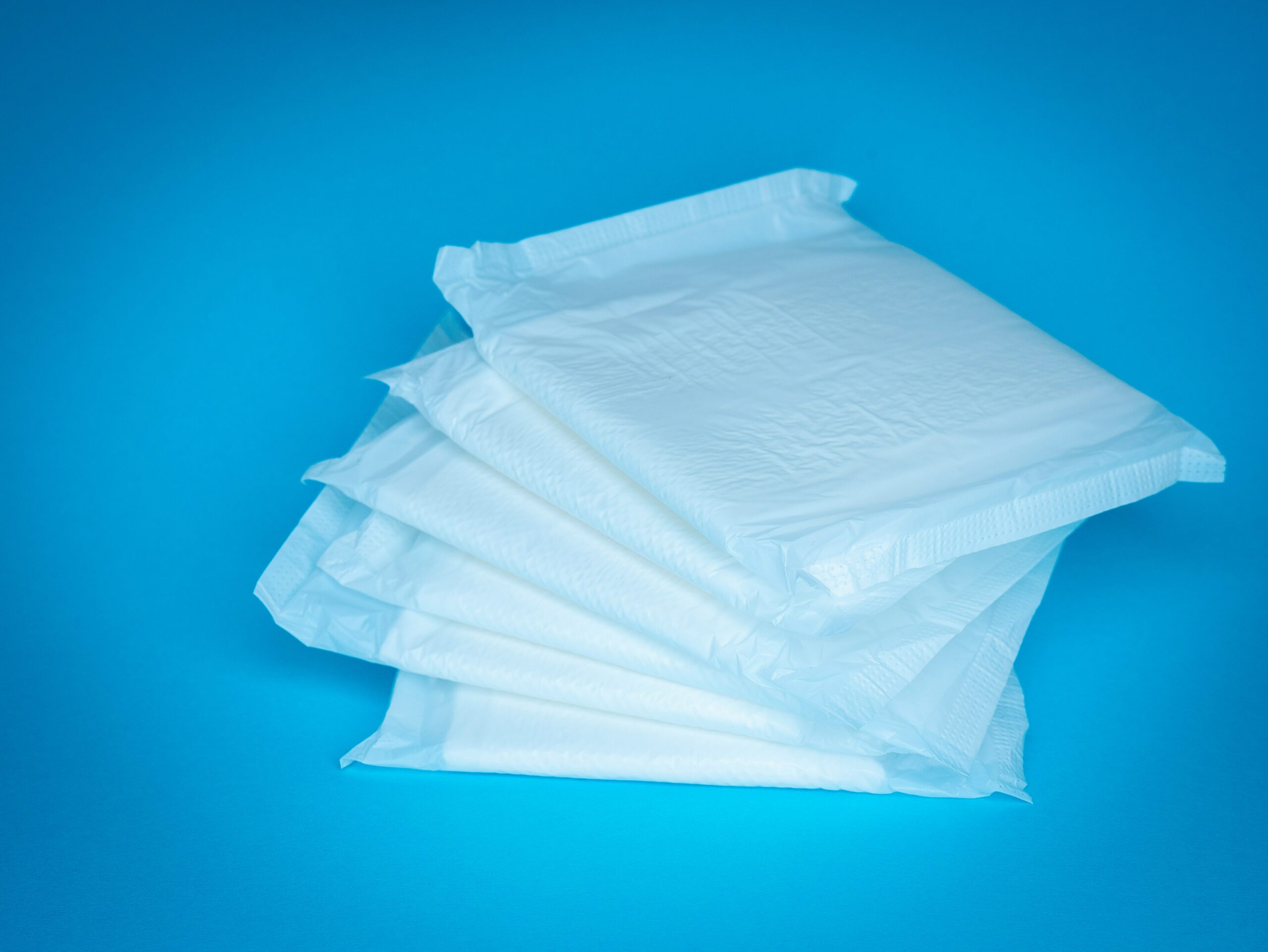
The best thing about bed pads is the convenience in maintenance; there’s no need for cleaning them after use. Being disposable, you remove, bin, and replace them with others after use.
It gets better. The best disposable bed pads for adults use NASA-inspired technology in manufacturing, enabling them to last for up to 8 hours. That way, you only need to replace them twice or thrice the whole day.
To ease your cleaning and prevent incontinence on the mattress, change the bed pads on time. Swapping fresh ones for old ones keeps the bed dry and the user clean and fresh. Note when you place a fresh batch of pads to keep up with the change times.
Choose Pads with the Right Absorbency Level
When purchasing a disposable bed pad, it is essential to consider certain details to find the right one for your unique needs. One of the key factors to consider is the user’s level of bedwetting.
Not all adults suffering from urinary incontinence are heavy bedwetters. However, heavy bedwetters will require a disposable bed pad with a higher absorbency level than the light bedwetters. So, being certain of the user’s health status beforehand can help in choosing the disposable bed pad with the right absorbency level.
With the right absorbency levels, you won’t experience leaking or spilling over onto the mattress. It gives you confidence knowing that you have a solution for tricky situations.
Also, some light or seasonal bedwetters may experience brief spells of heavy incontinence after a major operation or during a unique medical treatment. In this case, it would be safer to get a combination of various absorbency levels for different episodes of incontinence.
Double the Mattress Layering
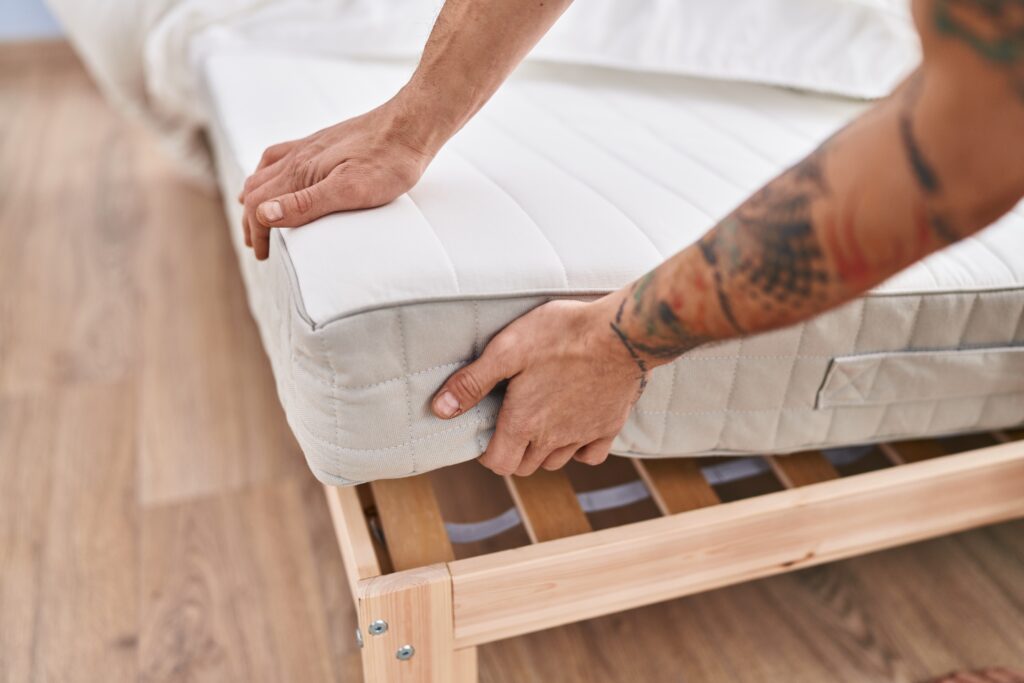
Although using disposable bed pads alone can effectively protect the bed, you probably don’t want to take any chances. So, consider doubling the protective layering over the mattress.
Before disposable bed pads became mainstream and more affordable, hospitals, elderly homes, and families depended on waterproof mattress coverings to shield the bed. This layering prevents bodily fluids or discharge from getting onto the mattress.
However, it can be uncomfortable and may cause the user to sweat due to the heat from the plastic material. With a disposable bed pad, you can add an extra layer of protection on the mattress without sacrificing the comfort of the elderly or sick.
Spread the waterproof mattress covering first, then place the bed pads on top. This combination will help adults with incontinence sleep better and ease your cleaning later.
Seal the Edges with Adhesive Strips
Some habits stay with humans even into old age, including how they sleep. While some rarely turn to the other side during sleep, many experience a bit of restlessness when getting their night’s rest.
Restless sleeping may be caused by poor health conditions or sleeping habits. Those who occupy huge spaces or take up different positions during sleep don’t usually wake up with their beddings in place.
Thus, restless sleepers may find it difficult to use bed pads. Due to their sleeping habits, they may displace the pads, exposing the mattress.
To avoid displacing the bed pads, you must seal the edges. Some bed pads include adhesive strips that help you keep them in place. After placing the disposable pads on the bed, tape their edges to the bed, and you’re all set.
Sealing the edges can be a game-changer. The pads won’t fold or bunch up, and you won’t find them moving away from the area of concentration.
Conclusion
Cleaning up after a sick or elderly person with urinary incontinence comes with many challenges, from physical to psychological. However, it gets easier when you use disposable bed pads. It is a game-changer in reducing your exposure to toxic air and waste while enabling you to care for more people in less time.
To ease cleaning up after an adult suffering from incontinence, you may have to provide extra layering for the mattress. Also, seal the pad’s edges with the strip and change them immediately after use.
Size does matter when it comes to ensuring a stress-free cleanup using a disposable bed pad. Ensure you choose the right size for adults with the appropriate absorbency level. Keep bringing smiles to the faces of the elderly and order your new batches of award-winning bed pads today.