

Most people think a healthier lifestyle needs a huge overhaul. They imagine strict diets, long workouts, or major sacrifices. The truth is much simpler. Your daily routine can shape your well-being more than any big, dramatic change. The secret is in the small things you do without thinking. These small actions shape your habits and eventually shape your health.
The best part is that you do not need to do everything at once. You can start with a few small tweaks that feel easy to manage. These small adjustments become natural over time. Once they become part of your day, they keep you feeling better without much effort.
Start Your Day With Intention
The way you start your morning sets the tone for everything that follows. Many people rush out of bed and grab their phone. They scroll for news or emails before their eyes are even fully open. That habit can set your brain into stress mode right away.
A small tweak is to give yourself a slow start. Try five minutes without screens. Use that time to stretch, breathe, or drink a glass of water. It wakes your body gently and clears your head. Some people like to write a quick to-do list for the day. That helps focus your energy instead of letting the day control you.
A calm morning does not need a long ritual. Even tiny changes like making your bed or stepping outside for a minute help. These small moments add structure and clarity. They give you control over how you want the day to feel.
Move More, Without the Gym
Exercise is important, but it does not have to mean sweating in a gym. The key is to stay active in simple ways. Walking instead of driving short distances is one easy step. Taking stairs instead of elevators is another. These small actions improve circulation and keep your energy levels steady.
You can also try micro-workouts. These are short bursts of movement spread throughout the day. A few squats while the kettle boils. A quick stretch after finishing an email. These moments are easier to stick with than long workouts. They also keep your body from stiffening after long hours of sitting.
Over time, you might even notice more motivation to do bigger workouts. But even if you don’t, regular movement in small doses still has a real effect on how you feel.
Build Better Breaks
Busy schedules often lead people to skip breaks. They eat lunch at their desk or push through fatigue. That habit wears down your focus and energy. Breaks are not a sign of laziness. They are tools that keep your mind fresh and your body balanced.
A better break is not about scrolling social media. That often drains more energy. Instead, try a quick walk, a stretch, or a few minutes of deep breathing. Some people even use short pauses to practice mindfulness. They step away from screens and let their mind settle.
This is also a good time to check in with your body. Are you hungry? Thirsty? Stressed? Small self-checks build better awareness of what your body needs. That awareness leads to healthier choices naturally.
Find Tools That Support You
Self-care is not just about what you do. It is also about what you use to make the process easier. Sometimes the right tools can encourage consistency. These tools can range from wellness gadgets to products that support mental health.
For example, many people use meditation apps to help them relax. Others explore new ways to improve their well-being, including products that support intimacy and stress release. In that space, a male masturbator can be part of a self-care approach. It is not only about pleasure. It can also reduce tension, support relaxation, and improve body awareness. These benefits contribute to an overall sense of balance.
What matters most is choosing tools that feel right for you. They should enhance your wellness goals rather than distract from them.
Rethink Your Evenings
Evenings are often where routines fall apart. People finish work and collapse into the couch. They eat whatever is easy and then scroll until they fall asleep. This cycle can disrupt sleep quality and leave you feeling drained the next day.
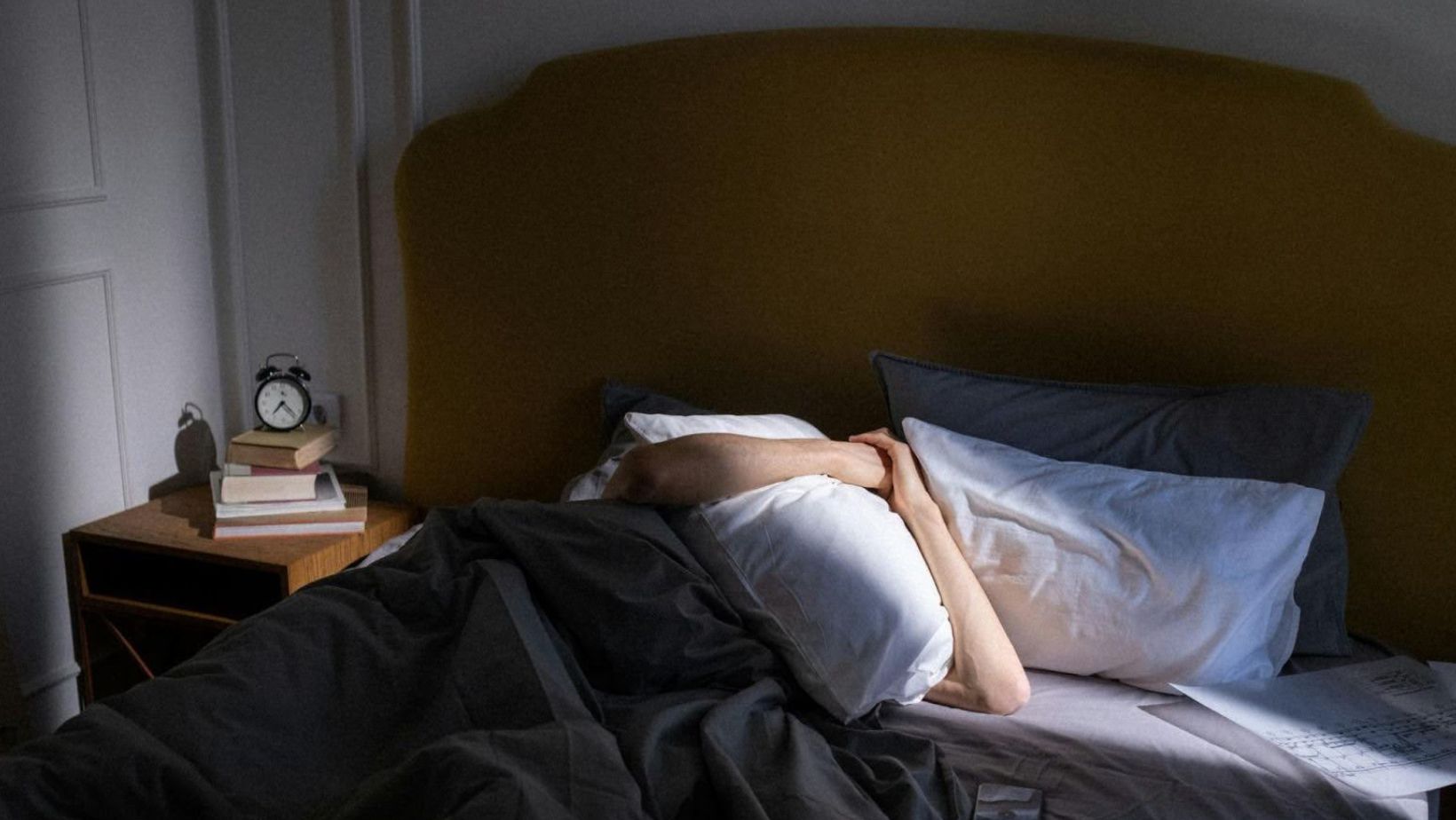
A small tweak is to build a gentle wind-down routine. Start by reducing screen time at least 30 minutes before bed. You could read, stretch, or listen to calming music. Another good habit is dimming the lights to signal to your body that it’s time to slow down.
Having a consistent bedtime also makes a big difference. Your body likes patterns. Going to bed and waking up around the same time improves rest and recovery. Better sleep sets you up for better energy and mood.
Focus on What Feels Good
Healthy habits are easier to keep when they feel good. If a habit feels like punishment, it will not last. Instead, try approaches that feel enjoyable. Maybe you dance instead of jog. Maybe you prepare meals you actually like instead of forcing bland options.
Listen to your body’s feedback too. Notice how certain activities affect your mood or focus. Positive feedback will guide you toward the habits that stick. Wellness is not about perfection. It is about finding what supports you day by day.
The Power of Consistency
The real magic of lifestyle tweaks is in consistency. A single action does not change much. But repeated every day, those actions become powerful. They build momentum and create a ripple effect in your life.
Change does not need to feel dramatic. It only needs to feel possible. The easiest habits are often the ones that last. With small steps and a little patience, you can build a daily routine that supports your best self — one small tweak at a time.