
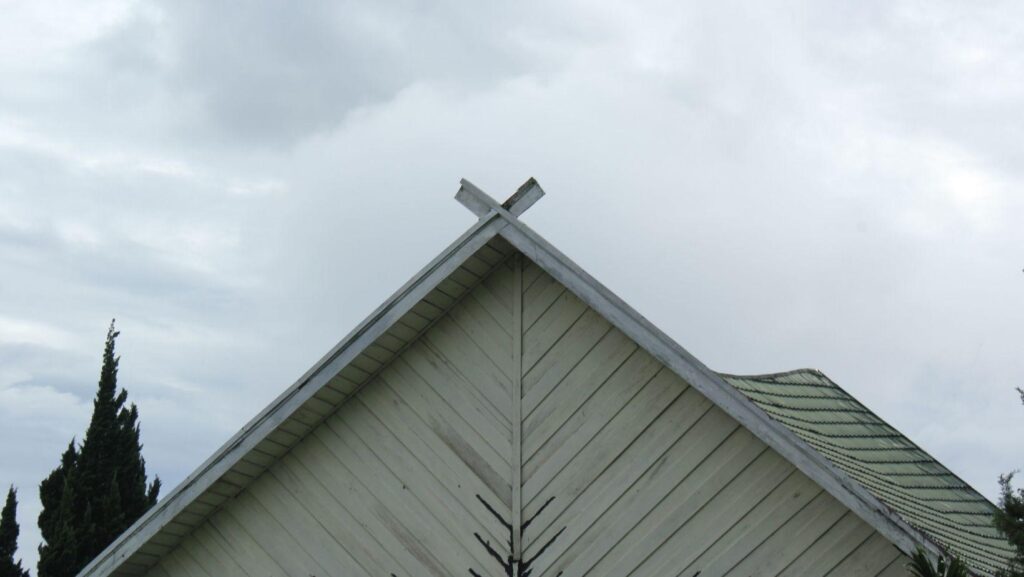
Homeowners usually keep a close eye on the floor and the base of their walls for signs of trouble, but we rarely spend much time staring at the area where the wall meets the ceiling. It is easy to ignore a small hairline fracture way up there. However, those tiny gaps are often the first sign of a much larger structural headache brewing outside. If you notice these issues, calling a roof repair sandy contractor early on can save you thousands in restoration costs. Addressing these cracks immediately is the only way to keep your living room from becoming a splash zone during the next heavy storm.
The Deceptive Nature of Gravity
Water is a patient traveler. When rain hits your roof, the system is designed to shunt it into gutters and safely away. But the moment a crack appears near your roofline, gravity changes its tactics. Liquid doesn’t just sit on the surface; it hunts for the path of least resistance. A tiny gap in your siding or stucco might look like a cosmetic flaw. But be forewarned, this gap functions as a hidden funnel.
Once moisture slips behind that protective shell, it starts its quiet descent. Because of how modern framing works, a leak can drift several feet sideways or down before hitting your interior drywall:
- A slow creep through insulation.
- Gravity pulling through wall studs.
- The inevitable brown stain in a bedroom corner.
The actual entry point is often ten feet away from where the damage finally surfaces.
How Thermal Expansion Opens the Door
Walls and roofs are not static objects. They expand and contract based on the temperature outside. During a hot afternoon, your roofing materials soak up the sun and grow slightly. At night, they cool down and shrink. This constant movement puts a lot of stress on the joints where the roof meets the wall. Over time, the caulking or sealant in these areas can dry out. And once they do, they can readily snap.
Once that seal is broken, a gap forms. Even a crack as thin as a credit card is wide enough for wind-driven rain to push through. In colder climates, this cycle is even worse because of ice damming. Water freezes in those cracks, expands, and rips the opening even wider.
The Hidden Danger of Rotted Sheathing
One of the scariest parts about roofline cracks is that the damage happens where you cannot see it. Between your exterior finish and your interior drywall lies the wooden sheathing and insulation. When water gets in through a crack, the insulation acts like a giant sponge. It holds the moisture against the wooden studs and plywood.
Since there is very little airflow inside a wall, that wood never gets a chance to dry out. This leads to wood rot, which weakens the very structure holding your roof up. By the time you see the paint peeling on the inside of your house, the wooden bones of your home might already be soft and decaying.
Mold Growth and Air Quality
It does not take much water to start a mold colony. A small, persistent leak from a roofline crack provides the perfect dark and damp environment for mold to thrive. Because the leak is high up near the attic or ceiling, the mold spores can easily enter your HVAC system or drift down into the living spaces.
Many people struggle with mysterious allergies or respiratory issues for months before they realize that a small exterior crack has turned their wall cavity into a mold factory. Fixing the crack is not just about stopping a drip. It is about keeping the air in your home safe to breathe.
Early Detection and Prevention
The best way to handle these cracks is to catch them before the rainy season starts. Take a walk around your property with a pair of binoculars and look closely at the following:
- The soffits
- The fascia boards
- The top edge of your siding
If you see any gaps, pulling away material, or crumbling masonry, it is time to act. Small cracks can often be filled with a high-quality exterior sealant, but if the crack is moving or growing, it might indicate a foundation shift or a roofing failure. Staying proactive ensures that a twenty-dollar tube of caulk prevents a five-figure interior renovation.
Final Word
Ignoring a crack near your roofline is a gamble that most homeowners eventually lose. It might seem like a small issue today, but water is relentless and will eventually find its way into your insulation and drywall. If you suspect your roofline is compromised, reaching out to a professional roof repair sandy contractor is the smartest move you can make to protect your investment. Taking care of the outside of your home is the only guaranteed way to keep the inside dry, safe, and comfortable for years to come.